Get this guide as a tappable itinerary — freeDay-by-day plan, audio tours, one-tap Google Maps
Plan My TripSkip the 45-min queue. Here's when to board.
Powered by ITINE
Day-by-day plan, audio tours, and one-tap Google Maps — completely free.
Destinations
Your Itinerary
Google Maps
I ride Tram 28 roughly once a month to check what's changed. In July 2025, I watched a woman lose her phone to a pickpocket between Graça and the Sé — she didn't notice until three stops later. In February 2026, I had the entire carriage to myself at 8:15 AM and it was magical. The difference is timing. The vintage tram through Alfama's narrow streets is still one of Lisbon's most iconic experiences, but in 2026 it comes with 30–45 minute queues, sardine-packed carriages, and real pickpocket risk — unless you know when to ride and where to board.
~6:00 AM to 11:00 PM daily
Every 10–15 min peak hours, 15–20 min off-peak
Martim Moniz ↔ Campo de Ourique (Prazeres) — ~40 min one way
Some services terminate early at Estrela instead of continuing to Prazeres
There is no reliable printed schedule for Tram 28. Carris publishes timetables, but delays, breakdowns, and traffic mean actual intervals vary wildly. Just show up at the stop and expect a 10-20 minute wait.
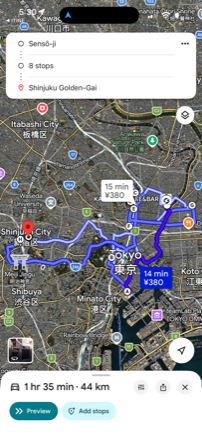
The full route runs east to west through some of Lisbon's most historic neighborhoods. Here are the 8 key stops:
Eastern terminus — best place to board
Miradouro da Graça nearby
Alfama viewpoint
Lisbon Cathedral
Downtown Lisbon
Shops, cafés & nightlife
Basílica da Estrela
Western terminus
| Ticket Type | Price |
|---|---|
| On board (cash) | €3.20 |
| Navegante Zapping | €1.65 |
| 24-hour pass | €7.25 |
| Lisboa Card | Free (included) |
Never buy a ticket on the tram. The Zapping fare is less than half the on-board price. Buy a Navegante Occasional card (€0.50) at any metro station and load €15 of Zapping credit. It works on every tram, bus, and metro in Lisbon.
This is the eastern terminus. The tram starts empty here, so you can grab a seat before the crowds pile on. Most tourists board mid-route near Baixa or Sé — don’t be one of them.
Before 9 AM the queues barely exist. The golden window is 6:00–8:30 AM — you’ll share the tram with commuters, not tour groups.
After 7 PM the day-trippers have gone. Riding through a lamplit Alfama at dusk is far more atmospheric than the midday sardine-can experience.
Most tourists board near Baixa heading east toward Alfama. Flip the script: start at Martim Moniz, ride the full route west to Campo de Ourique, then explore back on foot.
Here's the local secret: Tram 12E does 80% of what Tram 28 does with 10% of the crowds.
| Tram 28 | Tram 12E | |
|---|---|---|
| Vehicle | Vintage Remodelado | Same vintage Remodelado |
| Route | Martim Moniz → Campo de Ourique | Martim Moniz → Alfama loop |
| Best section | Alfama + Chiado + Estrela | Alfama + Mouraria |
| Queue time | 30–45 min peak | Rarely more than 5 min |
| Pickpocket risk | High | Low |
| Running until | 11:00 PM | 8:00 PM |
| Verdict | Full experience (with downsides) | The smarter choice |
If you just want the thrill of riding a vintage tram through Lisbon's narrowest streets, Tram 12E is the answer. It runs through Alfama and Mouraria — the most scenic section — and returns to Martim Moniz in about 25 minutes.
Tram 24 runs from Camões (Chiado) to Campolide through Príncipe Real. It's less scenic than 12E but almost entirely tourist-free. Great if you're staying in Príncipe Real and just want to ride a vintage tram without any fuss. Note: Tram 24 has been suspended intermittently for track works — verify it's running before planning around it (check the Carris website or ask at any metro station).
Tram 28 is the number-one pickpocket hotspot in Lisbon. Organised teams work the crowded carriages, targeting phones and wallets. Keep bags zipped and in front of you. Don't use your phone while standing. Be especially alert when the tram stops and passengers squeeze on — that's when teams strike. If someone bumps into you or creates a distraction, check your pockets immediately. Consider leaving valuables at your hotel and carrying only what you need.
Use a crossbody bag worn in front — never a backpack or loose shoulder bag
Keep your phone in a zipped inner pocket, not in your hand
If the tram is packed at your stop, wait for the next one — it's not worth the risk
The riskiest stretch is Martim Moniz to Sé de Lisboa — stay alert through Alfama
Add Tram 12E or 28 to your custom itinerary with optimal boarding times.
Add to My Plan \u2192Only if you ride at the right time. Before 9 AM or after 7 PM, the queues are short and the experience is charming. At midday in summer, you’ll wait 30–45 minutes in a queue, stand the whole ride packed shoulder-to-shoulder, and risk having your phone stolen. If you can’t go off-peak, take Tram 12E instead.
On-board cash fare is €3.20. Using a Navegante Occasional card with Zapping credit, the fare drops to €1.65. A 24-hour public transport pass (€7.25) and the Lisboa Card both include unlimited tram rides. Never pay the on-board fare — get a Navegante Occasional card at any metro station for €0.50.
Every 10–15 minutes during peak hours and every 15–20 minutes off-peak. Service runs from roughly 6:00 AM to 11:00 PM daily. After 9:30 PM, some services terminate early at Estrela instead of continuing to Prazeres. There’s no printed schedule that’s reliable — just show up and wait.
Yes. Tram 28 is the number-one pickpocket hotspot in Lisbon. Organised teams work the crowded carriages, especially between Martim Moniz and Sé de Lisboa. Keep bags in front of you, zip everything closed, don’t use your phone while standing, and be especially alert when the tram gets crowded at stops.
Tram 12E. It uses the same vintage Remodelado carriages and runs through Alfama and Mouraria — the most scenic part of the Tram 28 route — in about 25 minutes. Queues are rarely more than 5 minutes, and pickpocket risk is much lower. Tram 24 (Camões to Campolide) is another quiet alternative through Príncipe Real, but verify it’s running as it has been suspended intermittently for track works.